Tiny Garden: A Whimsical Font for Playful Design
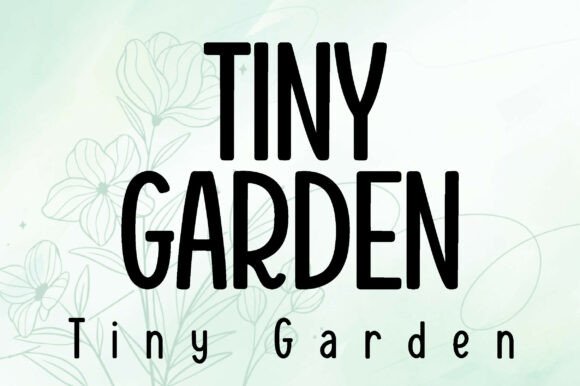
When it comes to typography, the right font can transform a simple message into something memorable. Tiny Garden is more than just a typeface—it's a charming addition to any design project that needs a touch of warmth and personality. With its soft, handwritten style, this font brings a sense of playfulness that’s perfect for children’s themes, creative branding, or any project looking to stand out with a handcrafted feel.
Designed with care, Tiny Garden blends readability with a unique aesthetic. It’s not just about looking good—it’s about communicating in a way that feels genuine and approachable. Whether you're creating invitations, logos, or marketing materials, this font offers a balance between artistic expression and practical use.
What Makes Tiny Garden Unique?
Tiny Garden stands out due to its delicate, whimsical style. Each letter carries a subtle irregularity that mimics real handwriting, giving it a personal and expressive quality. This makes it ideal for projects where authenticity matters. Unlike rigid, mechanical fonts, Tiny Garden adds a human touch that resonates with audiences on an emotional level.
One of its key strengths is its versatility. While it’s especially well-suited for children’s designs, it also works in a wide range of other contexts. Its soft curves and gentle lines make it easy on the eyes, ensuring that even long paragraphs remain readable without feeling overwhelming.
The font’s charm lies in its ability to convey warmth and friendliness. It’s perfect for brands aiming to create a welcoming atmosphere or for educators looking to make learning materials more engaging. Tiny Garden isn’t just a visual choice—it’s a storytelling tool that helps shape the tone of your message.
Practical Applications for Tiny Garden
From nursery décor to product packaging, Tiny Garden has a wide range of uses. For parents and educators, it’s an excellent choice for creating custom signs, labels, or classroom materials. Its playful appearance can make learning environments more inviting and less intimidating for young children.
For entrepreneurs and small business owners, Tiny Garden offers a fresh alternative to standard fonts. Whether you're designing a logo for a children’s boutique, a birthday card, or a website header, this font adds a distinctive flair that sets your brand apart. It’s particularly effective when paired with warm color schemes or natural textures.
In digital spaces, Tiny Garden can enhance user experience by making content feel more relatable. Social media posts, blog headers, or email newsletters using this font can create a more personal connection with your audience. It’s also great for creating visual hierarchies that guide readers through your content without sacrificing style.
Why Choose Tiny Garden Over Other Fonts?
While there are many fonts available, Tiny Garden offers a unique combination of charm and functionality. Many decorative fonts sacrifice readability for style, but this one maintains clarity while still delivering a distinctive look. It’s designed with both aesthetics and usability in mind, making it a reliable choice for designers who want to keep their work professional yet expressive.
Another advantage is its adaptability. You can use Tiny Garden in both large and small text sizes, which makes it suitable for everything from headlines to body copy. Its consistent structure ensures that it looks good in different formats and mediums, whether printed or displayed digitally.
For those new to typography, Tiny Garden is a great starting point. It’s easy to work with and doesn’t require advanced design skills to achieve a polished result. Its friendly appearance also makes it accessible to a broad audience, which is important for projects aimed at families, schools, or community initiatives.
Using Tiny Garden in Real-World Projects
Consider a local bakery looking to update its branding. By incorporating Tiny Garden into their logo and menu designs, they can create a cozy, homey vibe that appeals to customers seeking comfort and quality. The font adds a personal touch that reflects the care and attention put into their products.
Another example is a children’s book publisher. Using Tiny Garden for titles and chapter headings can make the books feel more engaging and imaginative. It helps create a visual identity that aligns with the stories inside, making the reading experience more immersive for young readers.
Even in more formal settings, Tiny Garden can be used effectively. A wedding planner might use it for invitation designs to add a vintage, handmade feel. It’s also a good fit for event flyers, thank-you cards, or promotional materials that aim to feel more intimate and heartfelt.
Final Thoughts on Tiny Garden
Tiny Garden is more than just a font—it’s a design asset that can elevate your work in meaningful ways. Its blend of charm, readability, and versatility makes it a valuable tool for anyone involved in visual communication. Whether you’re a designer, educator, or business owner, this font offers a way to express creativity while maintaining professionalism.
If you’re looking for a way to add personality to your projects without compromising on clarity, consider giving Tiny Garden a try. Its soft, playful style can bring a fresh perspective to your design work, helping you connect with your audience in a more authentic and engaging way.