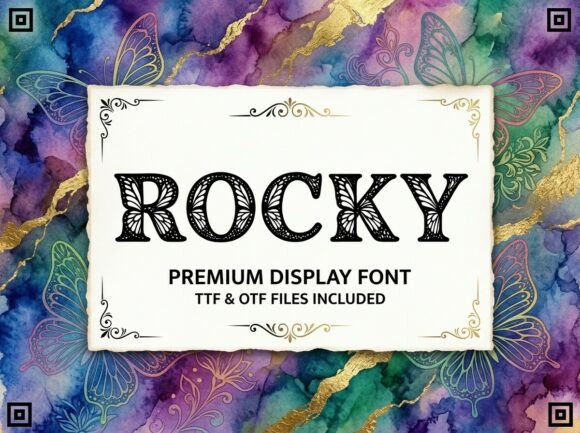
Rocky: A Bold Typeface for Eye-Catching Design
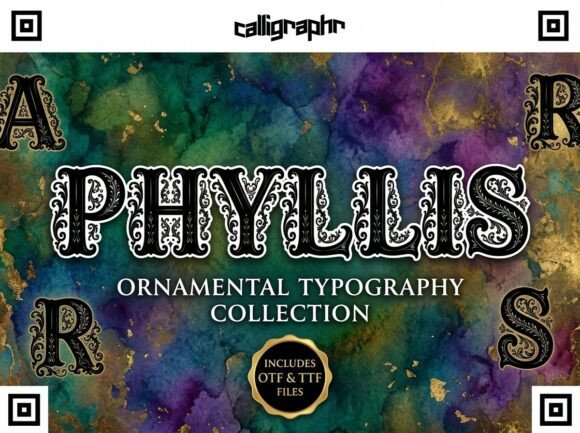
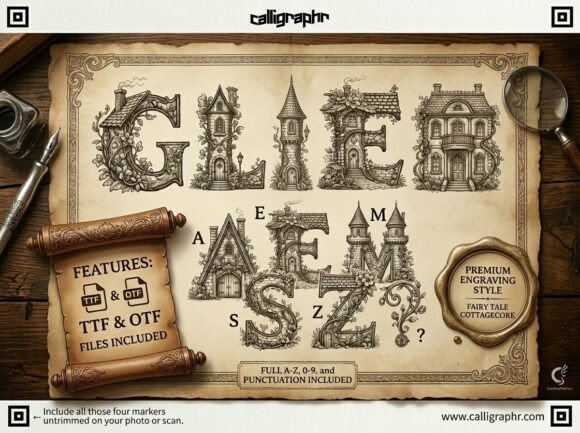
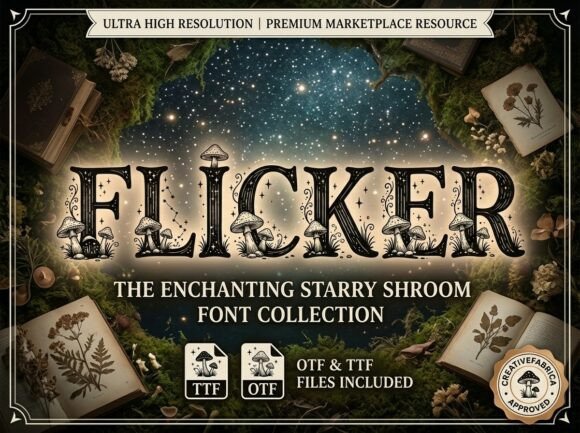
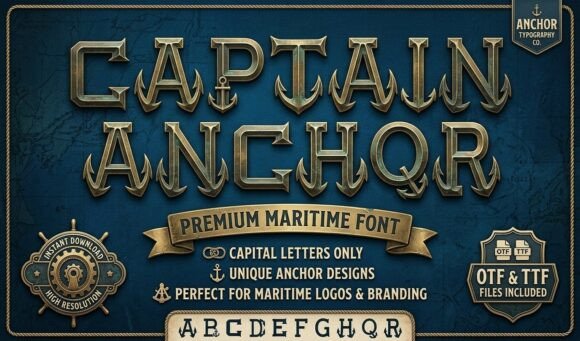
If you're looking for a font that commands attention and adds a unique flair to your projects, Rocky is the perfect choice. This decorative display font is designed to stand out, making it ideal for anyone who wants their work to have a strong visual impact. Whether you're creating a logo, designing a poster, or working on a branding project, Rocky offers a fresh and artistic alternative to standard typefaces.
Rocky isn't just about style—it's also about versatility. Its bold strokes and intricate details make it suitable for a wide range of applications, from headlines and titles to creative packaging and digital interfaces. The font's uppercase-only design ensures that every letter is a statement, giving your work a polished and professional look without sacrificing creativity.
What Makes Rocky Unique?
Rocky combines artistic elements with a strong visual personality, making it more than just a font—it's a design tool. The font features distinctive shapes and curves that add character to any text. Unlike many other display fonts, Rocky maintains clarity and readability even at larger sizes, ensuring that your message remains clear while still being visually striking.
One of the standout qualities of Rocky is its ability to blend creativity with professionalism. It's not too ornate to be distracting, nor too simple to feel unoriginal. This balance makes it a great option for both personal and commercial use. Whether you're working on a marketing campaign, a website header, or a book cover, Rocky can elevate the overall aesthetic of your design.
Practical Applications for Rocky
Rocky is especially useful in scenarios where visual impact is key. For example, in advertising, a headline using Rocky can draw the eye and communicate energy and confidence. In branding, it can help create a memorable identity that sets a business apart from competitors. For designers, it's a valuable asset when working on logos, posters, or social media graphics that need to capture attention quickly.
In educational settings, Rocky can be used to create engaging materials such as infographics, presentations, or classroom signage. Its bold style helps emphasize important information and makes learning resources more visually appealing. For educators and content creators, this font can add a dynamic element to their work without overwhelming the reader.
On the digital side, Rocky works well for web design, app interfaces, and UI elements where a strong typographic presence is needed. It can be used for buttons, headings, or banners to create a cohesive and modern look. When paired with clean, minimal designs, Rocky adds a touch of personality that enhances user experience without clashing with other elements.
Why Choose Rocky for Your Projects?
There are several reasons to consider using Rocky in your design work. First, its all-caps format ensures consistency and clarity, which is essential for headlines and titles. This feature also makes it easier to maintain a uniform look across different platforms and formats. Second, the font's artistic nature allows for greater creative freedom, enabling designers to express their vision more effectively.
Another benefit of Rocky is its compatibility. It comes in both OTF (OpenType Font) and TTF (TrueType Font) formats, ensuring that it works seamlessly with most design software and operating systems. This flexibility makes it accessible to a wide range of users, from professional designers to hobbyists looking to enhance their projects.
Real-World Use Cases for Rocky
Imagine you're designing a promotional flyer for a new music event. Using Rocky for the headline could immediately grab the audience's attention and set the tone for the event. Similarly, if you're launching a new product, a tagline in Rocky can convey excitement and innovation, helping to build brand recognition.
For entrepreneurs and small business owners, Rocky can be an effective tool for creating a strong brand identity. A logo featuring this font can differentiate a business from others in the same industry, making it more memorable to customers. It's also useful for packaging design, where a bold and stylized font can make a product stand out on the shelf.
Considerations When Using Rocky
While Rocky is highly versatile, it's important to use it appropriately. Because it's a display font, it's best suited for short phrases rather than long paragraphs. Overusing it can lead to visual clutter and reduce readability. Instead, focus on using it for key elements such as headlines, titles, or decorative accents.
When selecting Rocky for a project, consider the context and audience. A more formal setting might require a simpler font, while a creative or artistic project can benefit from Rocky's expressive style. Always test the font in different sizes and layouts to ensure it meets your design goals.
Rocky: Elevate Your Visual Communication
Rocky is more than just a font—it's a powerful tool for visual storytelling. By incorporating this font into your work, you can add a sense of energy, creativity, and professionalism that resonates with your audience. Whether you're a designer, marketer, educator, or business owner, Rocky offers a unique way to express your ideas and make your work stand out.
With its combination of artistic appeal and practical functionality, Rocky is an excellent choice for anyone looking to enhance their design projects. Its bold style and high-quality formatting make it a reliable option for both personal and commercial use. By choosing Rocky, you're not just selecting a font—you're investing in a visual identity that captures attention and leaves a lasting impression.